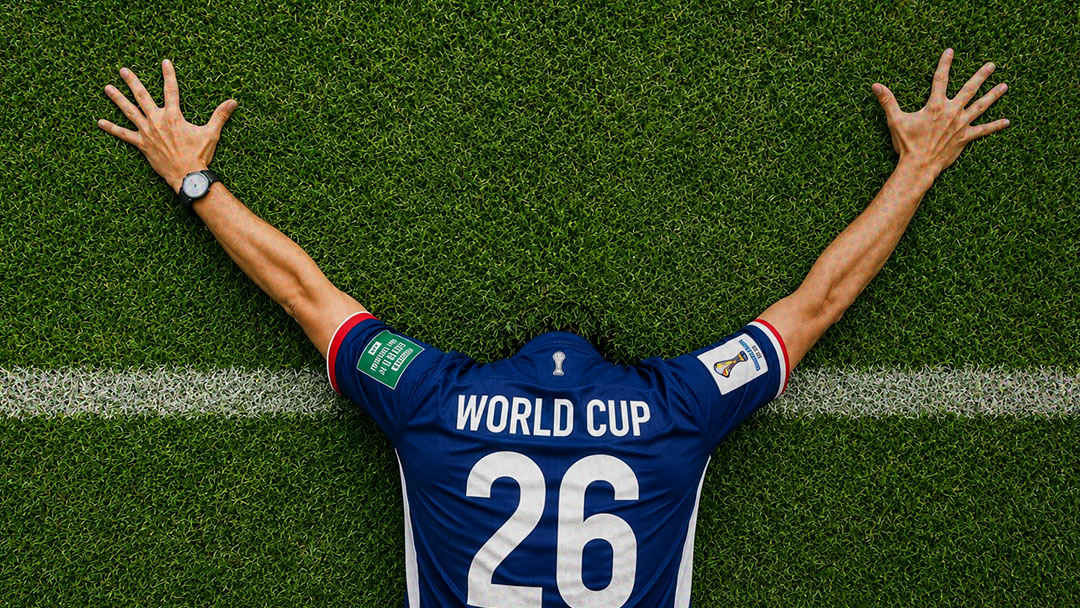
When FIFA tells brands to disappear, some of them find a way to become even more visible.
That has been one of the more entertaining marketing stories surrounding the 2026 FIFA World Cup. Because of FIFA’s strict sponsorship rules, stadiums hosting World Cup matches are required to remove or cover branding from companies that are not official tournament sponsors. The goal is simple: protect the value of FIFA’s official sponsorships.
But in practice, the effort has created a new kind of marketing moment.
Phase I: The Cover-Up
For many brands, being covered up during one of the world’s biggest sporting events could feel like a major loss. After all, stadium naming rights and in-venue branding are expensive investments. When those names and logos suddenly disappear, it can feel like brand equity is being erased in real time.
SoFi Stadium became “Los Angeles Stadium.” Levi’s Stadium became “San Francisco Bay Area Stadium.” Gillette Stadium became “Boston Stadium.” Even smaller pieces of branding, like condiment labels, were covered to comply with FIFA’s clean-stadium rules.
But instead of simply accepting the situation, several brands found a way to turn the cover-up into part of the story.
Heinz responded with “Unofficial Stadium Ketchup,” a limited product in Canada that played off the taped-over condiment labels seen inside stadiums. The joke worked because even without the name, the bottle was still unmistakably Heinz.
Lumen Technologies also leaned into the moment. With Seattle’s Lumen Field temporarily stripped of its name for the tournament, the company created social content showing its marketing leadership humorously attempting to cover up every appearance of the Lumen name around the stadium.
Gillette took a similar approach. Rather than ignore the disappearance of its name from Gillette Stadium, the brand played along by showing the logo covered with shaving cream — a simple visual joke that connected directly back to what the company sells.
The result was an unexpected reversal. FIFA’s effort to hide non-sponsor brands ended up giving some of those same brands a reason to enter the conversation.
Phase II: Tactical Adaptation
The smartest part of these responses is that they did not fight the restriction. They played with it.
That distinction matters. Brands often face situations they can’t control: a controversy, a rule change, a public joke, a negative perception, or an awkward viral moment. The instinct may be to over-explain, ignore it, or push harder with traditional messaging.
But sometimes the better move is to listen, read the room, and respond with a sense of humor.
That is what made these FIFA reactions work. Heinz did not need to say, “You still know it’s us.” The covered-up bottle said it for them. Gillette did not need a long explanation. Shaving cream over the logo made the point instantly. Lumen did not need to complain. The act of covering its own name became the content.
Other brands have found similar success by turning an unexpected situation into a creative opening. When McDonald’s CEO Chris Kempczinski went viral for taking a small, awkward bite of a burger in a promotional video, competitors like Burger King and Wendy’s used the moment to show their own executives taking big, enthusiastic bites of their food. The joke was simple, timely, and easy for audiences to understand.
Old Spice also famously changed its brand trajectory by recognizing that its image had grown stale. Instead of only speaking to men, the brand shifted its message toward women who often purchased grooming products for the men in their lives. That insight helped fuel “The Man Your Man Could Smell Like,” one of the most memorable campaigns of its era.
In each case, the lesson is similar: strong brands do not always need perfect conditions. Sometimes they just need the awareness to turn imperfect conditions into something memorable.
The Marketing Takeaway
The FIFA debranding story is a reminder that brand recognition is not just about visibility. It is about distinctiveness.
If people can recognize your ketchup bottle without your logo, your brand is strong. If people understand your stadium joke without needing it explained, your brand has cultural awareness. If people can see shaving cream covering a name and immediately connect it back to Gillette, your brand has earned a place in their minds.
That is the real opportunity in moments like this.
A restriction can become a creative brief. A cover-up can become a campaign. A problem can become the thing that makes people pay attention.
Whether the tool is tape, shaving cream, or a well-timed social post, the lesson is clear: when a brand understands itself well enough, even being hidden can become a way to stand out.

- SOURCE: MediaPost
- BRANDS: All of Them! No one is safe!

AUTHOR: Andrea
ORIGIN: Speaking Human Contributor
Follow Andrea on Speaking Human / Human Content from Andrea